corpus christi tx paint shop: Your trusted Source for eco-friendly Paint Supplies
Exploring the Various Types of Paint: An Overview for each Task
Exploring the different kinds of paint is vital for attaining the wanted result in any project. From water-based choices that supply benefit to oil-based paints understood for their longevity, each selection has its qualities. Specialty paints can add unique structures or coatings, while green options accommodate those seeking sustainability. Understanding these distinctions can greatly influence the success of a paint undertaking. What factors should one take into consideration when making the appropriate choice?
Understanding Paint Kinds: Water-Based vs. Oil-Based
Paint types can noticeably affect a project's outcome, and comprehending the differences between oil-based and water-based paints is vital for educated decision-making. Water-based paints, often referred to as latex paints, are composed of water as the key solvent. They completely dry rapidly, release fewer unpredictable organic compounds (VOCs), and are simple to tidy up with soap and water. This makes them a prominent selection for interior applications and environments where air quality is a worry.
On the other hand, oil-based paints use natural solvents, providing a resilient, shiny surface suitable for surface areas revealed to tear and put on, such as trim and cupboards. They take longer to completely dry, require mineral spirits for cleaning, and have a more powerful smell. paint store corpus christi tx. Picking in between these two types relies on the particular needs of the job, thinking about variables such as wanted surface, application environment, and ease of maintenance. Each type has distinct benefits and limitations, guiding the choice process
The Finish Issues: Choosing Between Matte, Satin, and Gloss
When choosing a paint finish, the choice between matte and shiny choices substantially affects both visual appeals and capability. Matte coatings supply a subtle, non-reflective look that can hide surface flaws, while glossy finishes give durability and simplicity of cleansing. Comprehending the advantages and considerations of each can aid in making an informed decision for any painting task.
Matte End Up Benefits
Many house owners dispute the merits of various surfaces, matte paint supplies unique advantages that make it a prominent choice for both indoor and outside applications. One of the primary benefits of matte surface is its capability to conceal surface imperfections, developing a smoother look on walls. This top quality is specifically helpful in older homes or spaces with uneven surface areas. In addition, matte paint absorbs light instead of showing it, which can boost the aesthetic of a space by offering a more sophisticated and soft appearance. Matte finishes are usually much easier to touch up than glossier alternatives, as they can blend a lot more perfectly when applied over existing paint. Overall, matte paint is an excellent selection for those looking for an improved and stylish coating.
Glossy End Up Factors To Consider
A shiny surface can considerably alter the perception of a space, providing a streamlined and reflective high quality that improves both color vibrancy and light within a room. This surface is commonly favored for high-traffic locations and surfaces like bathroom and kitchens, where durability and simplicity of cleansing are important. Nonetheless, its reflective nature can highlight flaws on walls, making correct surface area prep work vital. Glossy paints likewise tend to reveal fingerprints and spots much more conveniently, necessitating normal maintenance. Additionally, lighting plays a significant role; in bright settings, a shiny coating may create glow, influencing the general visual. Consequently, careful consideration of the particular application and setting is necessary when choosing a glossy finish for any kind of job.
Specialty Paints: When to Make Use Of Distinctive or Chalk Paint
Specialized paints, such as textured and chalk paint, offer special aesthetic and functional benefits that can enhance various surface areas. Distinctive paint is optimal for creating deepness and dimension on walls, hiding imperfections while adding a three-dimensional feeling. It is specifically helpful in high-traffic locations where resilience and visual interest are crucial.
Both kinds of specialty paints can change rooms, but selecting the appropriate one depends upon the wanted effect and surface area demands. Distinctive paint may match bigger areas, while chalk paint can rejuvenate smaller sized products, showcasing creative thinking and individual style in any type of task.
Outside Paints: Securing Your Surface Areas From the Elements
Outdoor paints are important for safeguarding surfaces versus various climate problems. Understanding their climate resistance features, correct surface preparation needs, and reliable application techniques can significantly enhance longevity and efficiency. This section will outline vital factors to consider for selecting and utilizing outside paints properly.
Weather Resistance Includes
Weather condition resistance is a necessary function of exterior paints, as it figures out exactly how well surfaces can endure the harsh aspects of nature. High-grade outdoor paints are formulated to withstand damage from UV rays, dampness, and temperature level changes. UV resistance guarantees colors stay dynamic over time, avoiding fading and staining. Moisture resistance shields against mold and mold, which can compromise the honesty of surface areas. In addition, paints with superb temperature resistance can contract and increase without breaking, maintaining their safety qualities. When picking outdoor paints, it is essential to consider these climate resistance attributes, as they add to the longevity and sturdiness of painted surface areas, making particular they stay cosmetically pleasing and functional regardless of direct exposure to the components.
Surface Area Prep Work Needs
Appropriate surface area prep work is a fundamental action in attaining the very best results with outdoor paints. To ensure optimal adhesion and durability, surface areas have to be completely cleaned, removing dirt, mold, and grease. This can be achieved using a pressure washing machine or a scrub brush with an appropriate cleansing service. As soon as cleansed, surface areas must be evaluated for any kind of peeling or flaking paint, which need to be scraped away to produce a smooth structure. Fixing any openings or cracks is likewise important, as these can allow moisture infiltration. Additionally, sanding harsh locations advertises much better paint attachment. Applying a primer fit for exterior use can boost the paint's performance, guaranteeing a long-lasting coating that holds up against the components. Appropriate prep work is key to a successful exterior paint project.
Application Techniques Tips
While using exterior paints, it is important to make use of efficient strategies that assure surface areas are well-protected versus the aspects. Initially, choose the best day for paint; low humidity and moderate temperatures boost adhesion and drying. Prepping the surface thoroughly-- cleansing, fining sand, and priming-- guarantees better paint adhesion and durability. Using top notch brushes or rollers can supply a smoother finish, while spray paint may cover huge areas effectively. Using paint in slim, also layers prevents runs and drips. It is a good idea to adhere to manufacturer instructions concerning drying out times between layers. Ultimately, confirm correct air flow throughout application to facilitate drying and decrease exposure to fumes. These methods considerably enhance the durability and efficiency of outside paint.
Eco-Friendly Options: Low-VOC and Zero-VOC Paints
As consumers come to be significantly familiar with the ecological effect of their options, zero-voc and low-voc paints have emerged as preferred options. These paints are developed to have less unpredictable organic compounds (VOCs), which are chemicals that can vaporize right into the air and add to air contamination and wellness problems. Low-VOC paints typically include a limited amount of VOCs, while zero-VOC paints have negligible degrees, making them much safer for both outside and interior use.
The advantages of using zero-voc and low-voc paints extend past environmental factors to consider; they find additionally enhance interior air high quality, reducing the threat of breathing issues and allergies. Many suppliers now use a range of shades and surfaces in environmentally friendly choices, making it simpler for consumers to locate appropriate products for their jobs. her explanation By going with these paints, individuals can add to a much healthier setting while still accomplishing the visual they desire in their areas.
Devices and Methods for a Perfect Application
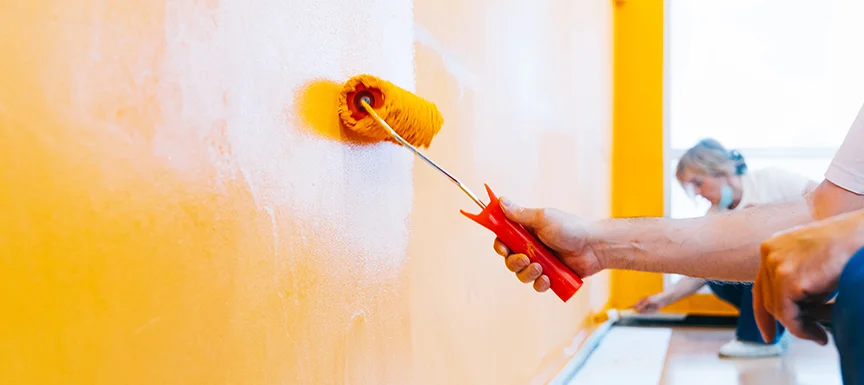
Accomplishing a perfect paint application needs the right devices and methods, which can significantly improve the final result. Selecting the suitable brush or roller is necessary; brushes work well for sides and intricate areas, while rollers cover bigger surface areas successfully. Utilizing high-grade materials ensures much better paint distribution and decreases touches. For optimal outcomes, surface prep work is vital. This includes cleansing, sanding, and priming surfaces to advertise adhesion.
Method additionally plays a significant function. The "W" approach with a roller assists to uniformly distribute paint, while long, smooth strokes with a brush protect against visible lines. Working in areas permits better control and mixing. Additionally, applying thin layers is more effective to thick layers, decreasing the threat of drips and unequal textures. Finally, keeping a wet side throughout application assists accomplish smooth adjustments in between areas. By incorporating these strategies and tools, one can attain a sleek and expert surface.
Tips for Keeping and Taking Care Of Your Painted Surfaces
Proper upkeep and care of coloured surfaces can substantially extend their life-span and protect their look. Regular cleansing is crucial; using a soft fabric or sponge with light soap and water can get rid of dust and dust without harming the paint. It is advisable to avoid abrasive cleansers or scrubbing pads, as these can damage the surface area. In addition, applying a fresh coat of paint every couple of years can secure and rejuvenate the color against wear.
For exterior surfaces, inspecting for signs of peeling or fading on a regular basis is essential. Quickly addressing any kind of concerns stops further damages. In locations vulnerable to moisture, such as shower rooms, using mold-resistant paint and ensuring correct ventilation can aid maintain the honesty of the paint. Ultimately, using safety surfaces can shield against UV rays and spots, ensuring that painted surface areas stay attractive and lively for many years ahead, eventually boosting the general aesthetic of the area.
Often Asked Questions
Can I Mix Different Kind of Paint With Each Other?
Blending various kinds of paint is generally not recommended, as it can lead to problems like poor adhesion, irregular appearance, or unexpected chemical reactions. It's best to make use of compatible paints for ideal results and toughness.

Just how Do I Effectively Shop Extra Paint?
To effectively keep leftover paint, secure the container tightly, label it with the date and shade, and keep it in a cool, dry place far from direct sunlight and extreme temperature levels for excellent preservation.
What Is the Ideal Method to Throw Away Extra Paint?
The most effective means to take care of unused paint is to inspect neighborhood policies, as several locations have marked dangerous waste facilities. Additionally, think about contributing functional paint to community organizations or institutions for their jobs.
Exactly How Can I Inform if Paint Is Still Good to Use?
To establish if paint is still excellent, analyze its shade, uniformity, and odor. If it appears apart, has an unpleasant smell, or shows substantial modifications in texture, it's most likely no much longer usable.
Are There Age Restrictions for Investing In Paint Products?
In many regions, there are no specific age constraints for purchasing paint items. Nevertheless, some shops might call for customers pop over to this site to be at least 18 years of ages, especially for items having solvents or harmful products.
Paint types can noticeably influence a project's end result, and recognizing the distinctions in between water-based and oil-based paints is essential for informed decision-making. Water-based paints, commonly referred to as latex paints, are composed of water as the primary solvent. In comparison, oil-based paints use natural solvents, supplying a sturdy, shiny surface suitable for surface areas revealed to put on and tear, such as trim and cabinets. Specialized paints, such as distinctive and chalk paint, offer unique visual and functional advantages that can improve different surface areas. In areas susceptible to wetness, such as washrooms, using mold-resistant paint and making sure correct air flow can aid keep the integrity of the paint.